Netflix’s animated feature K-Pop Demon Hunters is grabbing global attention not only for its unique concept—K-pop idols fighting demons—but also for its vibrant visuals, intense action, and compelling soundtrack. However, what truly makes this film stand out is the way it blends Korea’s traditional culture and cuisine into its modern fantasy setting.
In this post, we explore how K-Pop Demon Hunters integrates Korean food and traditional cultural elements, and how these details enhance the storytelling and viewer experience.
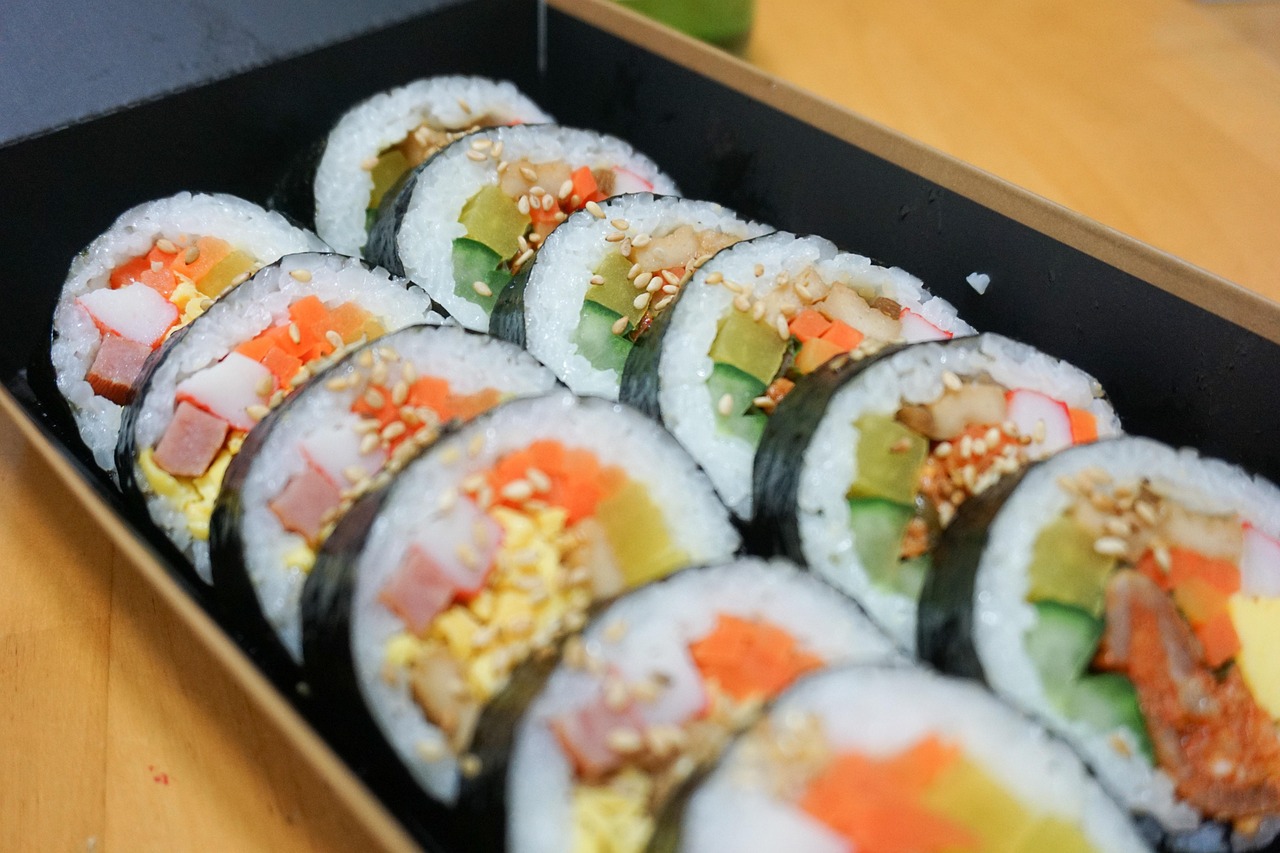
1. Tteokbokki & Gimbap – A Taste of Korea’s Street Food
Early in the film, the three protagonists—Rumi, Mira, and Zoey—enjoy street food after a rehearsal. They’re seen eating tteokbokki (spicy rice cakes) and gimbap (seaweed rice rolls), classic Korean snacks. The animators paid attention to every detail—from the sticky texture of the sauce to the arrangement of ingredients.
One of the characters even says, “This is the real Korean taste,” implying that these foods aren’t just for show—they’re part of the everyday Korean experience, even for glamorous idols. In another scene, an elderly woman hands out rice balls during a subway battle, reinforcing themes of community and warmth.
2. Korean Shamanism, Talismans, and Traditional Weapons
The demon-hunting theme draws heavily from Korean spiritual traditions. Each heroine wields a weapon inspired by Korean folklore. Rumi’s bow, for example, was inspired by Goguryeo-era archers, as revealed by the director in behind-the-scenes footage.
One scene features the characters visiting a shaman in a traditional hanok house adorned with talismans, goblin masks (dokkaebi), and ritual objects. These visual elements offer a modern take on Korea’s mystical heritage, incorporating it into the fantasy world without misrepresenting its cultural roots.
3. Hanbok-Inspired Costumes and Hair Accessories
Another highlight of the film is the characters’ fusion costumes, blending traditional Korean hanbok with modern K-pop fashion. During a key performance scene, Rumi wears a top styled like a jeogori and a skirt resembling a traditional chima, complete with a hair ornament inspired by traditional binyeo (hairpins).
Rather than portraying hanbok as outdated, the film reimagines it as a futuristic and fashionable outfit. This fusion successfully merges K-pop aesthetics with Korea’s historical identity.
4. Korean Instruments in the Soundtrack
The film’s original soundtrack doesn’t just follow global pop trends—it integrates traditional Korean sounds. In “Your Idol,” the intro uses janggu (drum) and daegeum (bamboo flute) samples that seamlessly blend with modern EDM rhythms.
Another track, “Soda Pop,” features music video visuals inspired by traditional Korean wedding garments, again highlighting the film’s cultural fusion in both sound and style.
5. Global Audience Reactions to Korean Traditions
Viewers from around the world—on Twitter, Reddit, and YouTube—have praised the film’s portrayal of Korean culture. Comments include admiration for the hanbok-inspired outfits, talisman scenes, and hanok backdrops, all of which brought something fresh and authentic to the animation genre.
This widespread enthusiasm shows that K-Pop Demon Hunters serves not only as entertainment but also as a cultural branding success for Korea.
Final Thoughts
K-Pop Demon Hunters is far more than a flashy K-pop animation. It is a beautifully crafted cultural work that reinterprets Korea’s traditions—food, attire, folklore, and spirituality—through the lens of a global animated blockbuster.
Its success proves that modern storytelling, when rooted in cultural authenticity, can transcend borders. By showcasing traditional Korean culture in a fresh, appealing way, K-Pop Demon Hunters stands as a compelling example of cultural fusion done right.